
Common Plumbing Problems and How to Prevent Them
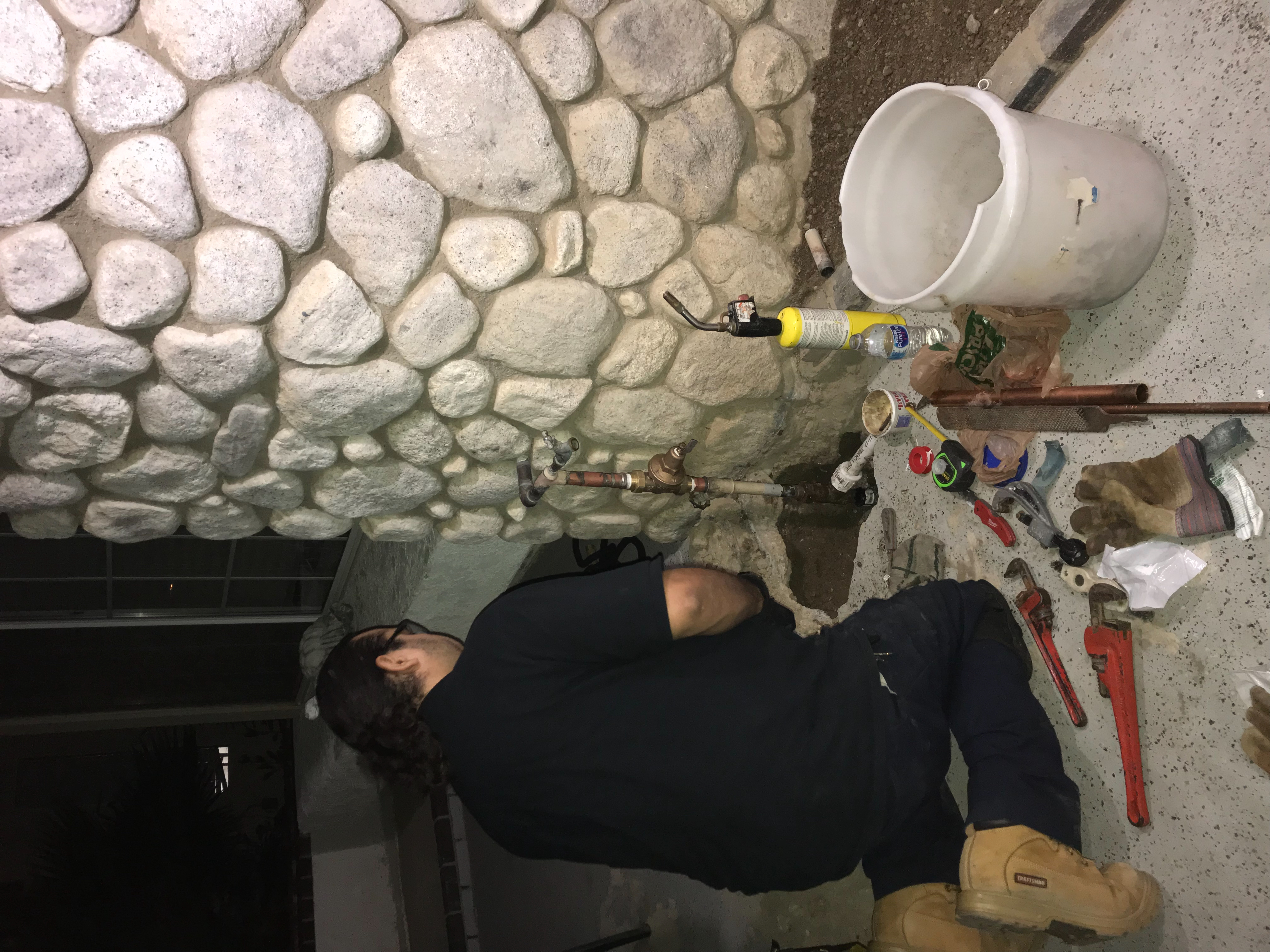
Plumbing issues often take us by surprise. They can cause significant damage to our homes and lead to costly repairs. Understanding common plumbing problems and their prevention methods can save you time, money, and stress. This article will explore various plumbing problems, their causes, and effective ways to prevent them.
Identifying Common Plumbing Problems
Recognizing plumbing problems early on is crucial. Here are some frequent issues that homeowners face:
Dripping faucets: This is often caused by worn-out washers or gaskets. Even a minor drip can waste gallons of water over time.
Clogged drains: Hair, grease, and soap buildup can lead to slow-draining sinks and showers.
Running toilets: A toilet that doesn’t stop running can waste a large volume of water and is usually due to a faulty flapper valve or fill valve.
Leaky pipes: Pipe leaks can stem from corrosion, high water pressure, or even shifting foundations.

Understanding the Causes of Plumbing Problems
Each plumbing issue arises from specific causes. For example, dripping faucets often result from worn-out washer materials that lose their effectiveness over time. Climbing these small issues can quickly pile up.
Clogged Drains
Clogged drains are particularly troublesome. Over time, debris can build up, resulting in slower drainage. According to the American Water Works Association, clogged drains cause nearly 90% of plumbing calls to professionals.
Running Toilets
Understanding what causes a running toilet can help prevent unnecessary water waste. A faulty flapper or a problem with the fill valve can lead to continuous water flow. Running toilets can waste up to 200 gallons of water per day if not addressed.

Leaky Pipes
Leaky pipes contribute to water damage and increased utility bills. High water pressure or corrosion typically causes these leaks, and they often result in water stains on walls or ceilings.
Prevention Tips for Common Plumbing Problems
Preventative measures can save you from larger issues in the future. Here are effective strategies to minimize plumbing problems.
Regular Maintenance
Conducting regular checks on your plumbing system can help. Inspect faucets, toilets, and pipes for any signs of wear or leaks. Annual inspections by a professional plumber can catch problems before they escalate.
Drain Care
To prevent clogged drains, you can take the following steps:
Install drain covers to catch debris.
Avoid pouring grease down the sink and dispose of food waste properly.
Use a mixture of vinegar and baking soda occasionally to help clean and maintain the drains.

Water Pressure Management
Monitoring your home’s water pressure is crucial. High pressure can lead to pipe bursts and leaks. Install a pressure regulator to ensure that your plumbing system operates at optimal pressure levels.
Fixing Leaks Immediately
If you notice any signs of leaks, whether from pipes or fixtures, repair them immediately. The longer you wait, the more expensive and extensive the damage can become. Homeowners can often tighten connections or replace small parts themselves.
Recognizing When You Need Professional Help
Sometimes, plumbing problems are too complex for DIY solutions. In such cases, seeking help is crucial.
If you come across persistent issues like multiple clogged drains, sewer smells, or unusually high water bills, it may be time to call in plumbing services. A professional plumber can accurately diagnose problems, provide effective solutions, and ultimately give you peace of mind.
Overall, investing in professional plumbing services can save you money in the long run by preventing minor problems from becoming major disasters.
Final Thoughts
Being proactive about plumbing maintenance is vital for homeowners. By understanding common plumbing problems, their causes, and how to prevent them, you can safeguard your home against costly repairs while conserving water. Regular checks, timely repairs, and using preventive measures can make a significant difference.
Invest the time in your plumbing system now, and you’ll set the foundation for a healthy home.


Comments